scroll

سبحان الله والحمد لله ولا إله إلا الله والله أكبر ولا حول ولا قوة إلا بالله العلي العظيم , വായനയുടെ ലോകത്തേക്ക് സ്വാഗതം, അറിവിന്റെ ജാലകം നിങ്ങളെ കാത്തിരിക്കുന്നു..., "try to become a person who can appreciate the help of others, a person who knows the sufferings of others to get things done, and a person who would not put money as his only goal in life"

Dec 13, 2011

യമന്‍ സമരം ഹൈജാക്ക് ചെയ്യപ്പെടുമ്പോള്‍

2011 November 23 യമനികളെ സംബന്ധിച്ച് വിശേഷപ്പെട്ട ദിനമാണ്, അന്നാണ്  യമന്‍ വിപ്ലവത്തിന് അന്ത്യം കുറിച്ച് എന്ന് ലോക മാധ്യമങ്ങള്‍ വിശേഷിപ്പിച്ച, ജി സി സി മുന്നോട്ടു വെച്ച അധികാര കൈമാറ്റ ഉടമ്പടി പ്രസിടന്റ്റ്‌ അലി അബ്ദുള്ള സലെഹ് സൗദി തലസ്ഥാനമായ റിയാദില്‍ ഒപ്പ് വെച്ചത് . യമന്‍ വിപ്ലവത്തെയും, അവസാനം രൂപം കൊടുത്ത കരാറിനെയും, അതിനു ശേഷമുള്ള ഇപ്പോഴത്തെ രാഷ്ട്രീയ സംഭവവികാസങ്ങളെയും വിലയിരുത്തുകയാണ് ഇവിടെ.

യഥാര്‍ത്ഥത്തില്‍ സലെഹ് ഒപ്പ് വെച്ച കരാര്‍ യമന്‍ വിപ്ലവത്തിന് അന്ത്യം കുറക്കുന്നത് തന്നെയാണോ ?

Share/Bookmark

Dec 10, 2011

Abu Bakr As-Siddique RA

Abu Bakr As-Siddique RA


His real name was Abdullah ibn Abi Quhafa. He was born three years after the birth of Prophet PBUH and died three years after Prophet’s death.
Abu Bakr was always a very close Companion of the Holy Prophet, he knew him better than any other man. He was considered as the second of the two. Such was his belief and conviction in Muhammad PBUH, that he became the first adult male to accept his message as soon as it was delivered to him, without questioning it.
 Abu Bakr’s submission to Islam was impeccable, the Prophet once remarked, “I called people to Islam, everybody thought over it, at least for a while, but this was not the case with Abu Bakr, the moment I put Islam before him, he accepted it without any hesitation”. He was titled As-Siddiq by the Prophet PBUH for his firmness in faith.

Generosity

Even in the pre Islamic period, Abu Bakr was known for his generosity. This quality excelled to an unimaginable level after Islam. He freed a number of slaves who went through gruesome torture on their acceptance of Islam, prominent among them being Bilal, Aamir ibn Fuhayrah, Umm Umays and many others. Abu Bakr, a man who possessed 40000 Dirham was left with a meager 5000 Dirham at the time of his migration.

Migration to Madinah

As Islam was growing rapidly in Makkah, the enemies of Islam desperately wanted to stop this message from spreading. To bring this idea to fruition, these enemies hatched a plan to murder the Prophet. Allah SWT revealed to his Prophet the ill intentions of the non-believers and ordered him to migrate to Madinah. So the Prophet sought Abu Bakr’s companionship in this remarkable journey which became a landmark event in the history of Islam. By this time majority of fellow Muslims had already migrated to Madinah.
The Prophet had to take the alternate route to escape from the eyes of Pagans. The pagans almost reached the mouth of the cave where the Prophet and Abu Bakr had taken refuge. Abu Bakr grew pale with fright, he feared not for himself, but for the life of the Holy Prophet. However, the Prophet PBUH remained calm and said to Abu Bakr “Do not fear, certainly Allah is with us,” [At-Tauba 9:40]. These Quranic words quickly calmed down Abu Bakr and brought back tranquility to his heart.

Participation in Battles

Abu Bakr, being the closest of Companions of Prophet PBUH, took part in all the battles that Prophet Muhammad had fought. At Uhud and Hunain, some members of the Muslim camp showed signs of weakness. However, Abu Bakr, with his unwavering faith, always stood like a rock by the side of the Prophet PBUH. One example of his firm faith could be understood by his eagerness to kill Mohammed, his own son who had not yet embraced Islam and was with the enemy camp in the battle of Badr.

The Successor of the Prophet

Hajj became an obligation only in the ninth year of Hijra. The Prophet PBUH was too busy at Madinah, to lead the Hajj, so he sent Abu Bakr as his representative to lead the Muslim pilgrims to perform Hajj. The Prophet himself performed Hajj in the following year.
The Prophet PBUH led the prayers himself ever since he arrived in Madinah. During his last illness, the Prophet could no longer lead the prayers and therefore he had to choose someone to lead Muslims in prayer. He bestowed this great responsibility on none other than Abu Bakr. One day Abu Bakr was away and Omar was appointed by the Companions to lead the prayers in his absence. Realizing the change of voice, the Prophet said: “This is not Abu Bakr’s voice, no one but he should lead prayers, he is the fittest person for this position”.
These two incidences provide enough indications that Prophet himself wanted only Abu Bakr to succeed him.

Prophet’s death

When the news of the Prophet’s death came out, many Muslims were confused and stunned. Omar RAhimself was so overcome with emotions that he drew his sword and declared “If anyone says that the Messenger of Allah is dead, I will cut off his head”.
Muslims stayed in such state until Abu Bakr arrived and gave his famous address: “O People! If anyone among you worshipped Muhammad, let him know that Muhammad is dead. But those who worshipped Allah let them know that Allah is alive and will never die.” Let all of us recall the words of the Qur’an. It says: “Muhammad is only a Messenger of Allah, there have been Messengers before him. What then, will you turn back from Islam if he dies or is killed?” [Al-Imram 3:144]
Suddenly Abu Bakr’s words started to sink in, and in no time confusion vanished and Umar instantly collapsed. Having shrugged off the shocking news of the Prophet’s death, Muslims realized that they need someone to fill the position of leadership amongst them.

Abu Bakr as the first Caliph

Soon after the death of Prophet PBUH, the voices of dissent emerged from some corners of the Islamic state. One was the group which refused to pay Zakat arguing that the Prophet PBUH is no more hence the system of Zakat also departed with the Prophet. The other was a bunch of people proclaiming themselves to be the Prophet. These two issues were so severe that they would tear the tiny state of Islam apart had the new Khalifah, Abu Bakr not taken stern steps to diffuse the voices of traitors. Abu Bakr straight away decided to wage war against these conspirators. When Umar asked him to retreat from war, Abu Bakr said,“Should Islam extinguish while Abu Bakr is alive,” He further added “I shall wage war against those Muslims who differentiate between Salah and Zakat.”

Abu Bakr’s Death

After a fortnight’s illness, As-Siddiq al-Akbar passed away on 22nd Jamadal-Akhira, 13 A.H. (23rd August 634 A.D.). Before his death he said to his noble daughter Hazrath Aaisha RA, Do not use new cloth for my shroud. Wash the sheet in my use and wrap my corpse in it”His wish was acted upon. His next wish was to pay all the money he got as salary for being the Caliph from “Baitul Mal” (The Public Treasury) after selling his garden. He said, I did not like to take anything from the “Baitul Mal” but Umar pressed me to accept some allowance so that I would be relieved of my occupation and devote my full time to the duties of the Khilafat. I was left no choice but to accept the offer”. After his death, Aaisha asked Hazrath Umar RA to take over that garden as desired by her father. Umar remarked: “May Allah bless him. He left no chance for anybody to open his lips against him”.
As-Siddiq al-Akbar left behind a noble example of selfless service. He lived and worked for the sake of Islam to his last breath, but sought no worldly rewards. Subhanallah!!!
Courtesy Copied from my friends blog

Share/Bookmark

Dec 1, 2011

Corporate Retail: Dangerous Implications for India’s Economy


This article examines the implications penetration and expansion of what is often called “organised retail” or “modern retail” , though “corporate retail” would be the more accurate term.  The growth of corporate retail not only will not address the key problems plaguing India’s economy today – it will greatly exacerbate many of them.  In particular, the crisis in agriculture, environmental destruction, declines in land productivity, urban unemployment, price volatility and unequal access to resources would all be worsened by unchecked growth of corporate retail.
This Paper was prepared by Shankar Gopalakrishnan and Priya Sreenivasa,  Published in Economic and Political Weekly on August 8, 2009.

-Editor , Justicia.in


Corporate Retail: Dangerous Implications for India’s Economy


Unseen by most, celebrated by some and condemned by others, a quiet transformation is beginning to shape significant parts of India’s economy.  This is the penetration and expansion of what is often called “organised retail” or “modern retail”, though “corporate retail” would be the more accurate term.  Those who support corporate retail have argued that this is a positive development, one that will lead to a sea change in the conditions of consumption and production in India.  It will herald lower prices, more choice, less wastage and economic growth.
We argue here that this positive picture is a misrepresentation.  The growth of corporate retail not only will not address the key problems plaguing India’s economy today – it will greatly exacerbate many of them.  In particular, the crisis in agriculture, environmental destruction, declines in land productivity, urban unemployment, price volatility and unequal access to resources would all be worsened by unchecked growth of corporate retail.  In this context, Commerce Minister Kamal Nath’s announcement of effectively revised FDI norms should be a matter of concern.  This article focuses on food retail, the subject of most of the debate.

Share/Bookmark

Nov 29, 2011

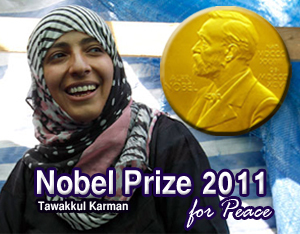
തവക്കുല്‍ കര്‍മാന്‍ - വിപ്ലവത്തിന്റെ വനിതാ വസന്തം


തവക്കുല്‍ കര്‍മാന്‍ - വിപ്ലവത്തിന്റെ വനിതാ വസന്തം 

ഹഫീസുല്ല കെ വി 

2011 ജനുവരിയിലെ ഒരു സായാഹ്നം, ഞാന്‍ എന്റെ കമ്പനിയിലെ, ഹൈദര്‍ , ഖാലിദ്‌, അബ്ദുള്ള എന്നിവരുമായി സന്‍ആ  യൂനിവേര്‍സിറ്റി  പരിസരത്ത് കൂടി യാത്ര ചെയ്യുകയായിരുന്നു. ടുനീഷ്യന്‍ വിപ്ലവതിന്റെ അലയൊലികള്‍ അങ്ങിങ്ങായി അടിച്ചു കൊണ്ടിരുന്നു. ഈജിപ്തിലെ വിപ്ലവം ആ സമയത്ത് അതിന്റെ ശൈഷവത്തിലാണ്.  സ്വാഭാവികമായും ഞങ്ങളുടെ ചര്‍ച്ചയില്‍ ടുണീഷ്യ യും കടന്നു വന്നു. ബിന്‍ അലി സൗദിയിലേക്ക്‌ ഓടിപ്പോയത്, യമാനികള്‍ക്ക് ചിരിക്ക് വക നല്‍കുന്ന കാര്യമായിരുന്നു, ഇവിടത്തെ മാധ്യമങ്ങളൊക്കെ അത് ഗംഭീരമായിആഘോഷിക്കുകയും ചെയ്തു. സംസാരിക്കുന്നതിനിടയില്‍ വാഹനം യൂനിവേര്‍സിറ്റി മൈതാനതിനടുത്തെത്തി, അവിടെ ചെറിയൊരാള്‍ക്കൂട്ടം, കഷ്ടിച്ച് പത്തു-പതിനഞ്ചു പേര്‍ വരും അവര്‍ ,  ഞാന്‍ ഹൈദറിനോട് ചോദിച്ചു എന്താ കാര്യം എന്ന് . ഹൈദര്‍ തമേശ രൂപേണ പറഞ്ഞു അത് യമന്‍  വിപ്ലവത്തിന്റെ തുടക്കമാണെന്ന്. പൊതുവേ ഭരണ പക്ഷ പാര്‍ട്ടിക്കാരനായ ഖാലിദ്‌ അത് പുചിച്ചു തള്ളി, 'യമനില്‍ ഇതൊന്നും നടക്കില്ല' 
എനിക്ക് ഇതിനെക്കുറിച്ച്‌ കൂടുതല്‍ അറിയാന്‍ താല്പര്യമായി, പിന്നീട് ഓഫീസില്‍ എത്തിയപ്പോള്‍ ഞാന്‍ ഹൈദറിനോട് വിശദമായി സംസാരിച്ചു. ഹൈദര്‍ പറഞ്ഞു തുടങ്ങി, തവക്കുലിനെക്കുറിച്ച്. (അപ്പോഴാണ്‌ ഈ നാമം  ഞാന്‍ ആദ്യമായി കേള്‍ക്കുന്നത്.) "2007 മുതല്‍ എല്ലാ ചൊവ്വാഴ്ചയും സന്‍ആ യൂണിവേര്‍സിറ്റി പരിസരത്ത് തന്റെ ഭര്‍ത്താവും മൂന്നു കുട്ടികളുമായി, പ്ലക്കാര്‍ഡും പിടിച്ചു  വന്നിരിക്കുന്ന തവക്കുലിന്റെ കഥ" !. ഒന്ന് കൂടി പറഞ്ഞു  The 2011

Share/Bookmark

Top 10 Must-See Occupy Wall Street Videos

Top 10 Must-See Occupy Wall Street Videos [Slideshow]
Since the very beginning of the Occupy Wall Street, many supporters have been appalled by the lack of attention paid to it by the mainstream media. Some news outlets have belittled OWS participants for exercising their right to free speech, and made excuses for those who have used violence against peaceful protesters.
Police departments around the country have reciprocated by hindering journalist access to OWS encampments, and arresting or even harming reporters trying to document evictions.
There was a time when these tactics might have actually undermined the movement. But not today.
Thanks to mobile devices and high speed internet, every single person that attends or participates is a journalist. Phones and cameras record rallies, marches, speeches, arrests, and attacks, and publish them on the internet within moments. Some have even video taped their own arrests and tweeted about conditions from inside police vans.
We no longer need to depend on the mainstream media to know what’s really going on. The revolution might not be televised, but you can still watch it happen.


On the following are the 10 Occupy Wall Street videos that rocked the internet and energized the movement.

1.
  • November 27, 2011
  • 11:45 pm
131 comments

3.
4.
5.
6.
7.
8.
9.
10


Share/Bookmark

Nov 11, 2011

One Billion Cars Now on World’s Roads


One Billion Cars Now on World’s Roads


One Billion Cars Now on World’s Roads

Driven by demand from countries like China, India and Brazil, the global market for automobiles is accelerating faster than ever. According to an analysis from the auto trade journal Ward’s, there are now over one billion cars, light-, medium- and heavy-duty trucks on roads around the world, up from 980 million at the end of 2009.
In just half a year, the global auto fleet expanded by around 35 million vehicles. That’s the second-biggest increase ever.
The U.S. is still has the biggest population of cars and trucks – one for every 1.3 people in the country. But the American fleet is not growing much, only about 1% a year. The explosion in automobile deployments is coming from China, where registrations grew by 27.5%, bringing the country’s vehicle population to 78 million. That increase was more than half of the total global expansion, according to Ward’s.
The leap in registrations gave China the world’s second-largest vehicle population, pushing it ahead of Japan, with 73.9 million units, for the first time.
India’s vehicle population underwent the second-largest growth rate, up 8.9% to 20.8 million units, compared with 19.1 million in 2009.
Brazil experienced the second largest volume increase after China, with 2.5 million additional vehicle registrations in 2010.
China put 16.8 million vehicles on the road in 2010. Industry analysts were forecasting another 15% jump in sales in 2011, but the market slumped after the government stopped providing subsidies for car buyers in order to temper the market. Even so, China’s vehicle population could surpass America’s in just a few years.
According to the International Transport Forum, the global vehicle fleet could reach 2.5 billion by 2050. No doubt that those cars and trucks will be much more efficient than today’s vehicles, especially with China and America setting tighter fuel standards.  And many of them will be electric-drive vehicles.  But another doubling of the global market — even with an increase in efficiency — means massive increases in greenhouse gas emissions.
Auto industry executives everywhere are giddy with joy; meanwhile, those concerned about climate change wonder if we have the wisdom to take our foot off the fossil-fuel accelerator


Read more: http://www.care2.com/causes/one-billion-cars-now-on-worlds-roads.html#ixzz1XC5CwvT3

Share/Bookmark

Nov 6, 2011

5 Things About Breast Cancer You Should Take to Heart

5 Things About Breast Cancer You Should Take to Heart 


5 Things About Breast Cancer You Should Take to Heart
As a triple-negative breast cancer survivor, there’s a lot I could tell you about the process. In fact, this is my 20th blog post on the topic. But the most important things I want you to take away from this series are really quite simple. I hope you take them to heart.


1. Touch yourself. Be familiar with your breasts. Get to know them like the back of your hand. Like the majority of breast cancer patients I’ve met or spoken to in this past year, I’m the one who discovered my breast lump.
2. Take breast lumps seriously. If you find a lump in your breast, don’t give in to the temptation to dismiss it. Breast cancer can happen to you. Even if you never smoked. Even if you eat right. Even if you think you’re making all the right choices. Even if there’s never been a case of cancer in your family. Even if …
3. Call the doctor. Don’t waste precious time. Sure, you’re busy, but that’s a terrible reason to die. Ignorance is not bliss. If it turns out to be a false alarm, then whew! Now treat yourself to something special for your troubles. If it turns out to be cancer, early treatment may greatly increase your chances of long-term survival.
4. Cancer treatment is a bitch. So is premature death. Remember what’s at stake for you and your loved ones. You’re tougher than you think. Be an active patient. Learn all you can, question doctors, and make informed decisions based on fact, not fear.
5. Never stop living. No matter how bad you feel. No matter if you’re bald as a newborn baby and people look at you funny or if food has lost its allure or if you’ve lost weight and your clothes hang funny or if you’re missing a breast or two and your prosthesis is the wrong size or whatever else is out of whack. You have no idea how long you’ll be here — just like every other human being on the planet, whether they realize it or not. As long as you’re alive … live.
Living with Triple-Negative Breast Cancer Series
#1 The Lump in my Breast: Meeting the Enemy
#2 Most Breast Lumps are Non-Cancerous: Would mine be?
#3 The Mammogram, the Ultrasound, and ‘the Look’
#4 The Biopsy and Breast Cancer Confirmation
#5 A New Twist: It’s Triple-Negative Breast Cancer
#6 Before the Mastectomy: Planning for the Future
#7 Mastectomy Day: What it’s like to lose a breast
#8 After the Mastectomy: Unveiling and Staging
#9 10 Odd Things to Say to Someone with Breast Cancer
#10 Cancer Battle Plan Phase 2: Chemotherapy
#11 5 Things I Love About my Very Expensive Health Insurance
#12 10 Simple Gestures of Kindness with Healing Power
#13 Half a Year on Chemotherapy and Taking Nothing for Granted
#14 Breast Cancer Treatment: Weighing Reward and Risk
#15 The Radiation Decision, The Long Road, The Badge of Honor
#16 The Healing Power of Nurses
#17 Grieving Son Recounts Mom’s Battle with Triple-Negative Breast Cancer
#18 Searching for “Normal” After Cancer
#19 “Did You Beat Cancer?” they want to know


Read more: http://www.care2.com/causes/5-things-about-breast-cancer-you-should-take-to-heart.html#ixzz1XC3sUjt6

Share/Bookmark